5-7-5
5-7-5. Yet, so much more! Within haiku, particularly classical haiku, there are layers of complexity beneath the beautiful simplicity of form and language. Seasons, spiritual language, two images seemingly seperate, a cutting word or punctuation, and so much more. Take a look at this one by Bashō:
That great blue oak
indifferent to all blossoms
appears more noble
Bashō, translated by Sam Hamill, from Hamill, Sam, 'The Sound of Water', Shambhala publications, 1995*
Spring is the season of new beginings, fragility, lightness and joy. The oak described here cares not for the blossoms. Perhaps there is a sense of humility and wisdom, in the face of vanity and showiness. Certainly, there is an awareness of temporality in the poem. Perhaps the oak, aware of its impermanence, chooses to remain indifferent to the trivialities of life.
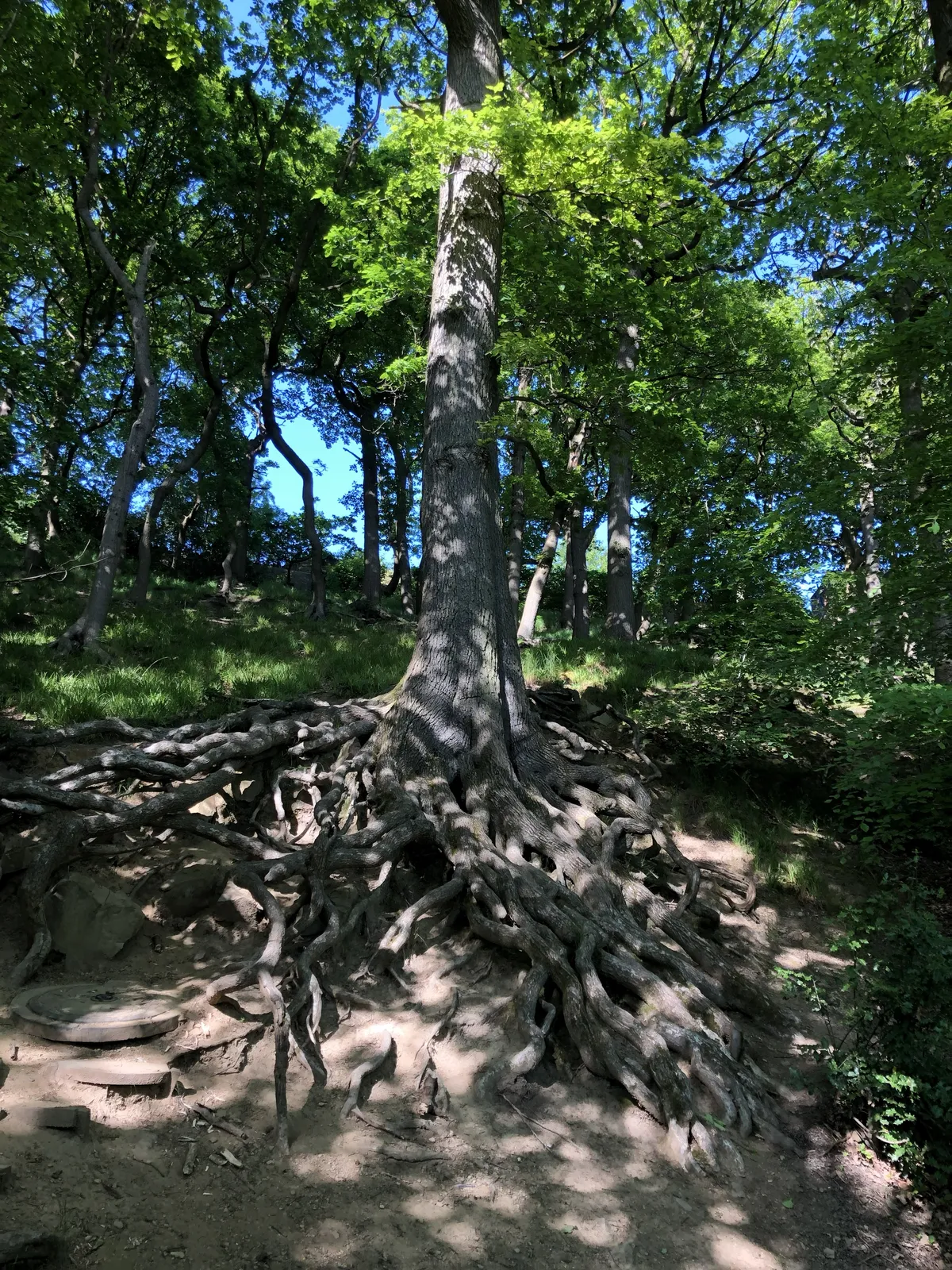
Here are a few of my amateur attempts at this beautiful form (the second is more of a nod to the form):
Grey meets grey along
the distant pure line—between,
gulls drift silently
Moon-fall
beyond a misted horizon—
in the dewy field,
lilies peek …
Two poems from Swallowed, © Michael C Johnson, 2026